Social
We believe that meaningful design must prioritise social outcomes that enhance people’s lives and foster inclusive communities.
Our Sustainability Framework’s Social category focuses on three essential principles: Health and Wellbeing, Social Value and Equity, and Inclusion. These principles guide us in creating spaces that promote physical and mental wellness, deliver lasting community benefits, and ensure accessibility and cultural relevance for all users.
By examining our social impact across projects, we highlight how our design approach delivers tangible benefits to communities and individuals.
IMPROVING SOCIAL VALUE THROUGH DESIGN
We believe in designing spaces that strengthen community connections, enhance wellbeing and foster inclusivity. Our focus is on creating projects that deliver meaningful, positive impacts that extend beyond the site, leading to lasting social value for communities.
While the creation of social value through built environment projects is not new, measuring social value can be subjective and open to interpretation. That’s why in 2024 we partnered with the Green Building Council of Australia (GBCA) to produce Social Value in the Built Environment, a discussion paper that consolidates the latest thinking in Australia and internationally on the shifting definition of social value and how best to measure its impact.
But it doesn’t stop there. Since launching the paper, we’ve started developing a framework to embed social value principles into our projects from the very beginning. This will help us deliver clear, measurable benefits that create spaces which are not only functional, but also transformative for the community
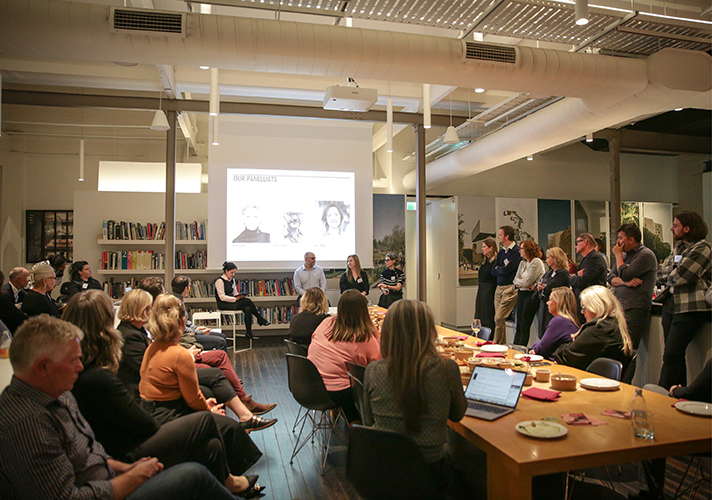
In FY25 we partnered with GBCA for the launch of our Social Value in the Built Environment paper
DESIGNING FOR INCLUSION
Inclusive design benefits everyone, not just those it targets. With population growth underpinned by significant infrastructure investment, including a A$213 billion five-year major public infrastructure pipeline, Australia has a clear opportunity to intentionally shape a more inclusive built environment that enables all people to thrive.
At Hassell, the opportunity to design for inclusion spans almost all the sectors we work in – from large infrastructure projects, Public Realm, Education and Science to Health and Sport.
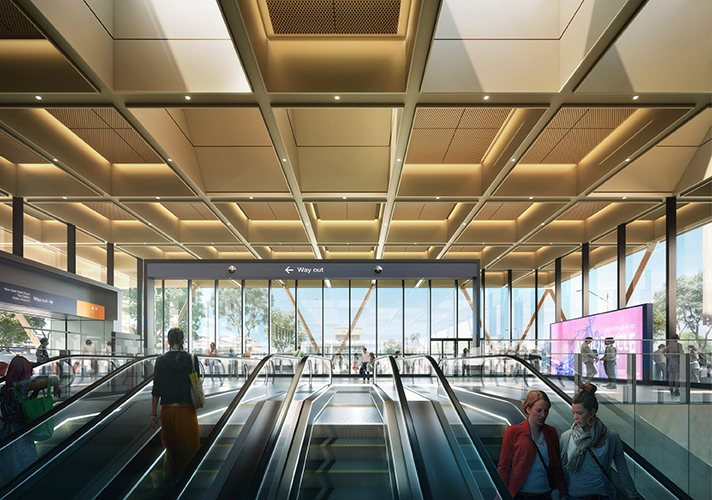
Our work on Cross River Rail involved extensive work with users to inform the design.
We believe inclusive design should be fundamental to every project. The places we create should reflect and include the voices of the many different people we encounter in our lives every day. True inclusion recognises, respects and values the inherent worth and dignity of all people, advancing environments that include everyone and exclude no one. This considers intersecting aspects of underrepresented populations, to integrate gender equality, accessibility, culture and wellbeing into every phase of design.
Over the year, we have continued to build our capability in inclusive design. Highlights of our progress include developing a framework for consistent application, forming a working group on inclusive design, and sharing our expertise with industry.
For insight into how we design for inclusion, download the full Designing for Impact report here.
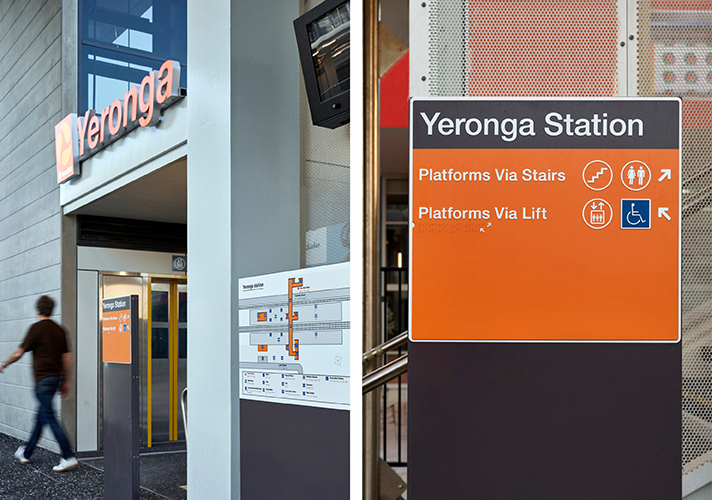
The Cross River Rail project on Yuggera and Turrbal Country in Brisbane, Australia sets a new benchmark for accessible public transport infrastructure through a deeply embedded co-design process.
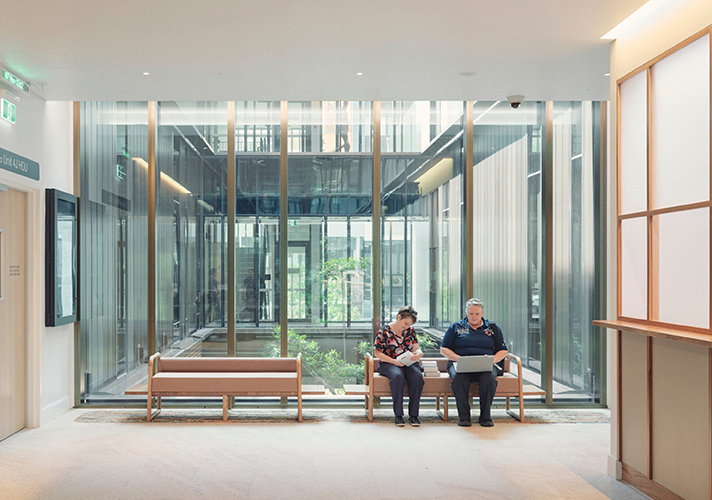
The Ipswich Hospital Acute Mental Health Unit on Yuggera Country in Brisbane, Australia, demonstrates how inclusive design can reshape mental health care by placing people and their recovery journey at the centre.
IN OUR PRACTICE
We’re committed to enriching the communities where we work to generate positive social impact. Beyond our commercial portfolio of projects, we strive to use design as a force for societal good, working collaboratively with our partners to improve health and wellbeing, quality of life, resilience, diversity and inclusion.
Our approach comprises two components. Firstly, our Design for Good Program, which dedicates funding and support for global and local partnerships and low-and pro-bono projects with non-profit organisations that benefit the community. And secondly, our Time to Volunteer Program, which provides all our people with access to paid volunteer leave, which can be used to participate in a Hassell-organised volunteering event in our local communities.
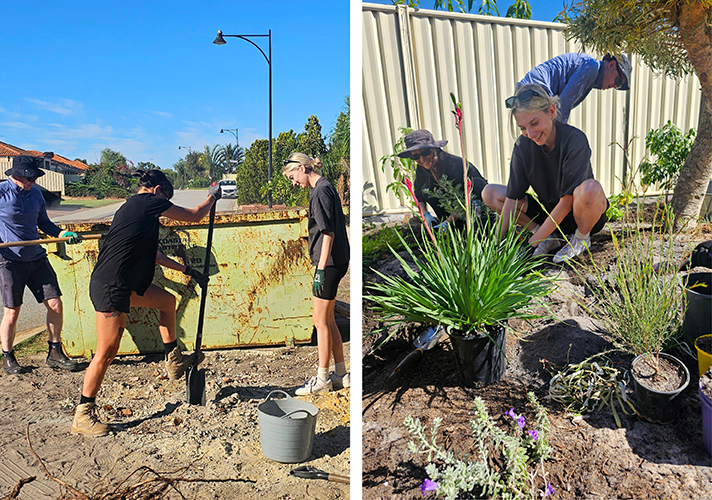
Our Perth studio’s FY25 Design for Good project, provided pro bono design, planting and gardening services to Marissa Verma, the founder of Bindi Bindi Dreaming.
GENDER EQUITY FRAMEWORK
Endorsed by Hassell’s Board in 2021, our Gender Equity Framework sets out our collective vision and mission to achieve a balanced and diverse workforce with a focus on gender. We use the framework to guide our culture initiatives and policies, embedding it in all aspects of our talent and people processes.
Our Gender Equity Framework was reviewed in 2024 and our gender equity target revised from 40:40:20 target to 45:45:10. This means we now have a formal target for 45% representation of each gender across all levels of our organisation, with the remaining 10% flexible to be any gender by the end of 2028.
Recent achievements towards our target include introduction of a robust paid parental leave program, establishing our Gender Equity Working Group, and continuing to actively contribute to gender equity in our industry.
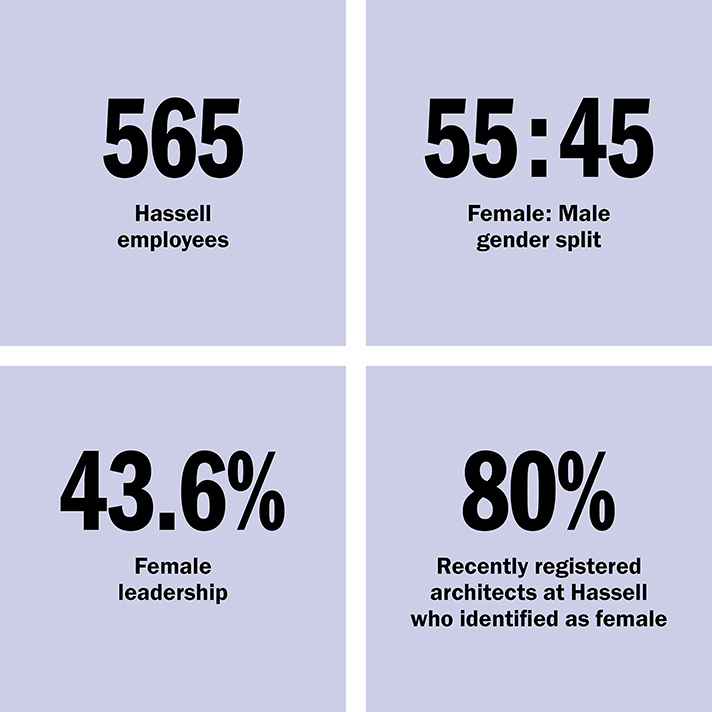
For more details of our progress in achieving gender equity, download the full Designing for Impact report here.

Scan this QR code with your phone to follow Hassell on WeChat.