Designing for circularity: Staying ahead of the next resource crisis

With global construction driving nearly 40% of global carbon emissions, Hassell is radically rethinking the design process to prioritise the entire lifecycle of materials.
As climate regulations tighten, material costs soar, and investors demand proof of the long-term value of their developments, the traditional way of building has become a commercial liability. The future belongs to circular design — a system where materials never become waste and are kept in continuous, high-value use.
At Hassell, our Materials Hierarchy model acts as a strategic framework to help clients increase the value of their investments by lowering risk and embodied carbon before a single shovel hits the dirt. It shifts material selection from a late-stage box-ticking exercise into a core driver of the creative process.
A FRAMEWORK FOR BETTER DECISIONS
Our Materials Hierachy, which forms part of Hassell’s Sustainability Framework, relies on a strict, forward-thinking sequence:
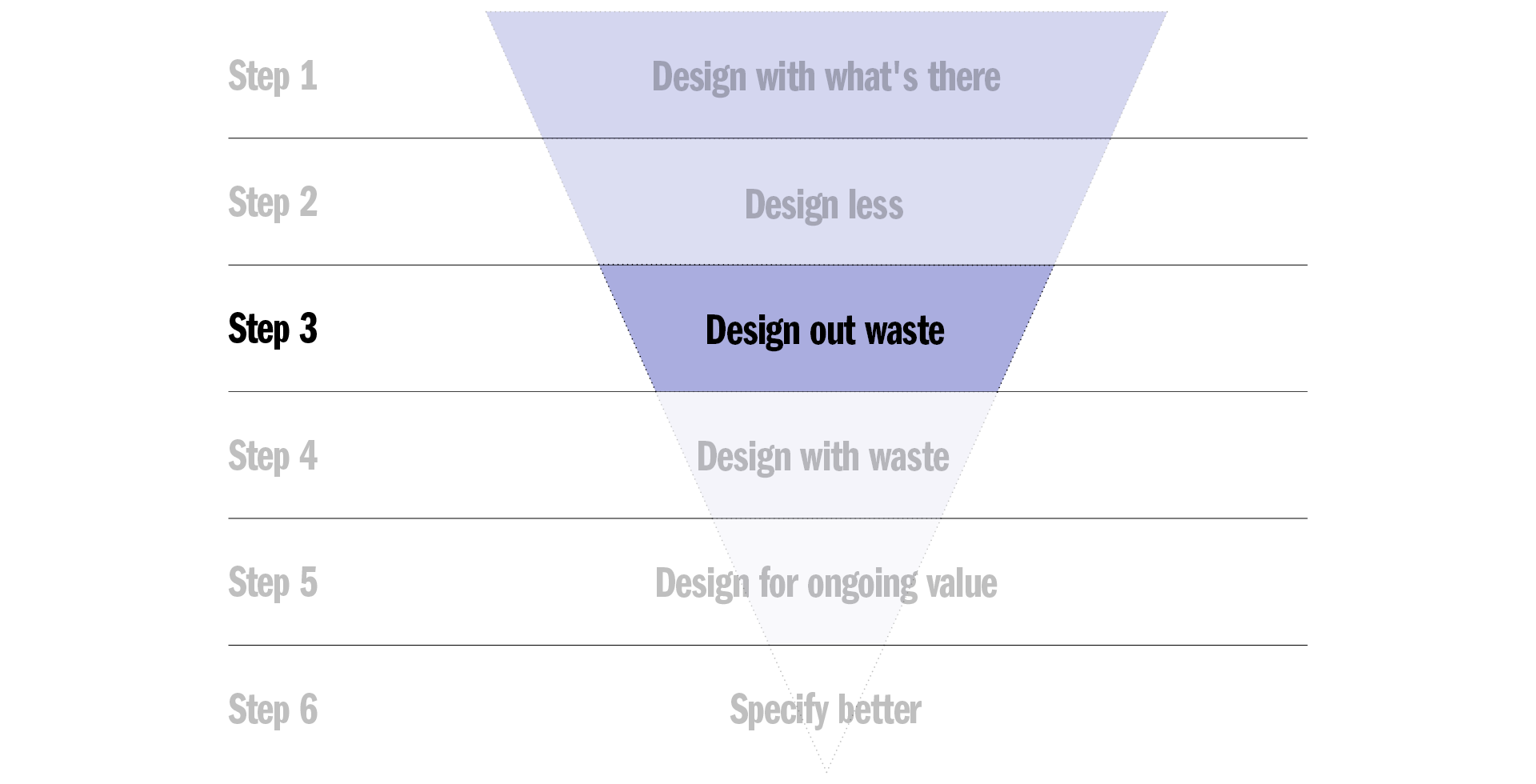
By prioritising this flow, projects reduce their reliance on volatile virgin materials, insulate themselves against future environmental penalties, and ensure they hold their value for decades to come.
But how does this philosophy hold up when applied to something as complex as a train station? Rail projects are notoriously uncompromising. Stations must endure a century of punishing public use, operate safely in electrified environments, and require low maintenance. Any reused material within this context needs to be durable, easy to care for, and visually appealing, turning potential waste into long-life assets.
PROOF IN PRACTICE
Exhibition Station, Yuggera and Turrbal Country (Brisbane)
The new Exhibition Station, part of Brisbane’s Cross River Rail network, demonstrates how circular principles can be embedded into complex infrastructure. Located within the city’s RNA Showgrounds precinct, the station marries the modernity of a contemporary transit hub with the heritage character of its century-old neighbours.
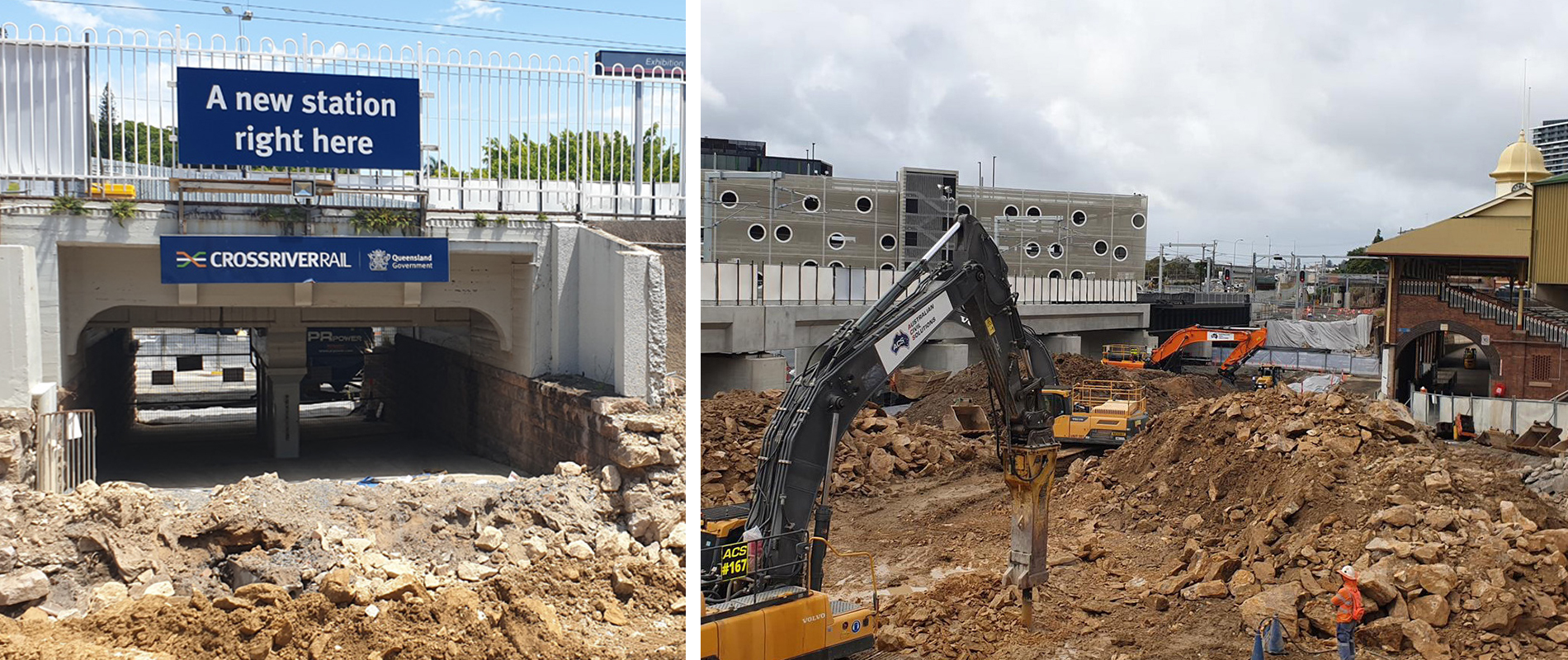
Behind the design is a pro-active material strategy that treats the site as a resource bank. During excavation, crews uncovered massive quantities of local sandstone. Instead of hauling it away to landfill, the design team salvaged the stone, carving it directly into durable public seating and landscape elements.
“Circularity isn’t about compromise; it’s about ensuring every material has a clear, high-value future. If we want to safeguard investments against soaring resource costs and tight climate regulations, this forward-thinking methodology is the way forward.”
Glenn Hedges, Sustainability Manager, CPB Contractors
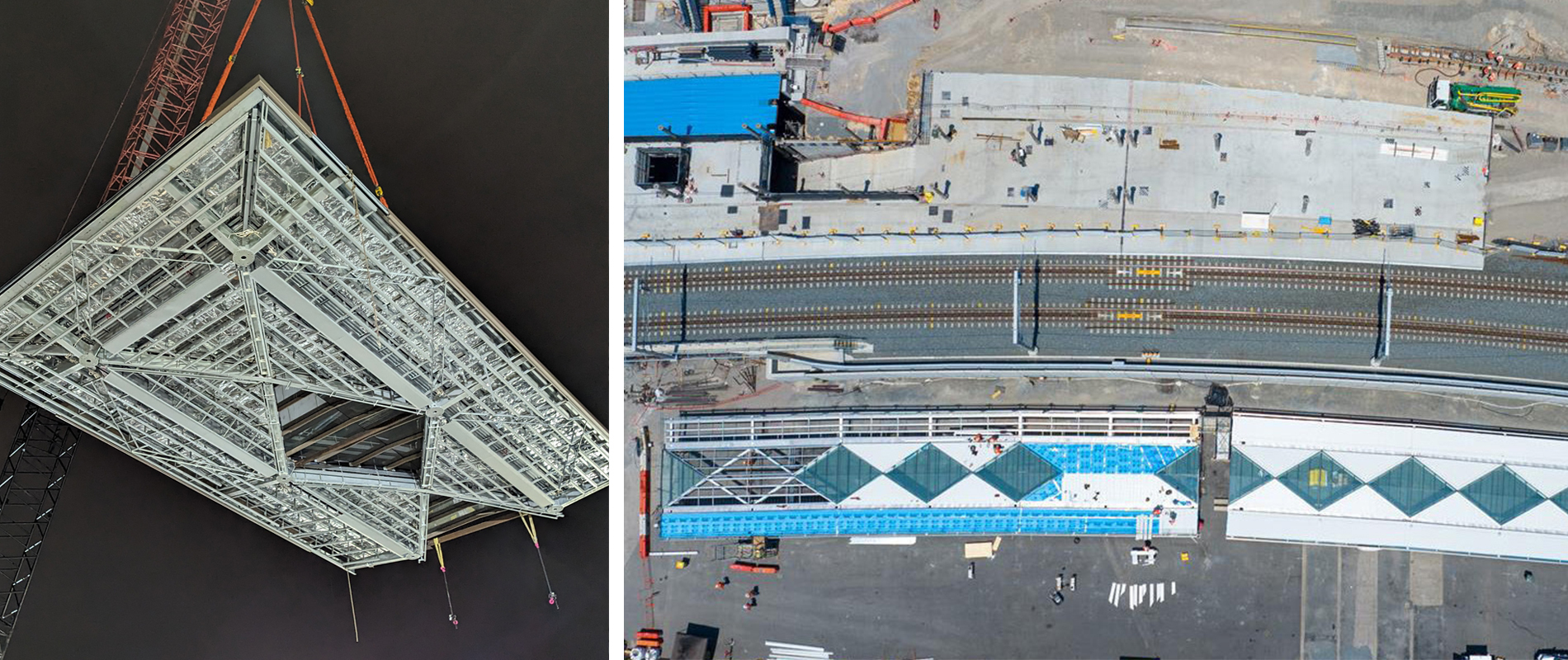
The real breakthrough, however, was structural. By adopting a Design for Manufacture and Assembly (DfMA) approach to build the station’s canopy, the shelter could be prefabricated at ground level in a controlled environment and lifted into place with precision. This single shift in mindset slashed construction timelines by up to four months — an extraordinary commercial dividend in a sector plagued by delays.
The global stakes for this kind of thinking are rising fast. Annual construction and demolition waste worldwide is on track to nearly double, reaching 2.2 billion tonnes. Australia holds the unenviable title of sending 16 percent of its construction waste straight to landfill – the highest rate internationally. Left unmanaged, this waste can disrupt ecosystems, degrade water quality, and pose serious health and safety risks. It’s an ecological and financial drain that the industry can no longer afford to ignore.
The lesson of Exhibition Station is clear: thinking about manufacturing and material lifecycles early in the design phase is no longer just an environmental preference. It’s the only viable path forward to deliver modern, resilient, and financially sound infrastructure.


Scan this QR code with your phone to follow Hassell on WeChat.