The housing opportunity Australia’s rail station precincts can’t afford to miss

Station precincts are one of Australia’s biggest housing opportunities — but only if we get the design right.
Australia’s housing crisis is felt nationwide but Perth in particular is facing some of the most challenging conditions yet. According to a report from the Bankwest Curtin Economics Centre (BCEC) median house prices in the city are approaching $1m while rents have climbed more than 70% in four years, with vacancies sitting below 1%. The city is tracking toward the chronic unaffordability that has already hollowed out Sydney and the window to prevent a similar fate is closing fast.
As part of WA Government’s development plans for ten rail station precincts across the Perth region, there’s significant opportunities to deliver housing that optimises access to public transport and supports sustainable growth. What’s missing is the right design method to unlock their potential.
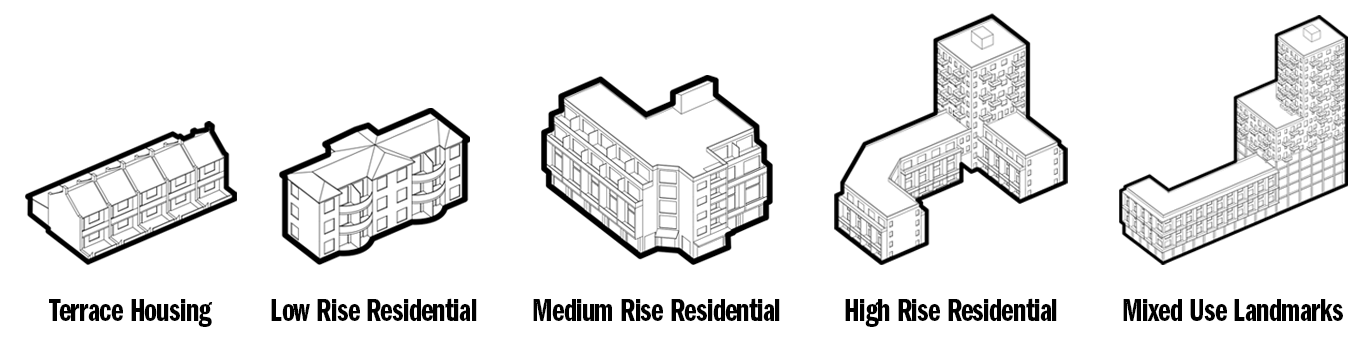
A discussion paper by Hassell Senior Associate Scott Davies, outlines 11 design actions that can address some of the critical issues facing the housing sector in the Western Australian capital. “These eleven actions are about making sure the planning frameworks being developed right now are built on design intelligence, not just development targets,” says Scott.
“Density without design doesn’t solve a housing crisis.”
Scott Davies, Senior Associate, Hassell
“Perth’s station precincts aren’t a single problem with a single solution — they’re ten very different places, each with their own character, constraints and community,” says Scott. “These actions aren’t a checklist; they’re a way of thinking about each precinct individually, and making sure that when density arrives, it comes with the amenity, design quality, and community buy-in to ensure long-term value.”
11 actions for Perth’s station precincts:
- The 15-minute neighbourhood: each precinct should function as a complete neighbourhood where residents can walk to food, health, open space, and transport within 15 minutes of home.
- Every neighbourhood is different: what works in Cottesloe won’t work in Morley. Each precinct demands a response shaped by its own character, density, and community.
- Master plan before you develop: A place-specific master plan is the difference between development that belongs somewhere and development that simply lands there.
- Put density where people want to live: Not just at station front doors, but distributed around the amenities and places that make a neighbourhood worth living in.
- Know your typology trigger points: Lot size, building type, and market feasibility determine what’s actually possible — test these early, not after controls are set.
- Design for change. Precincts will evolve over decades: Frameworks need to anticipate shifts in market conditions, community needs, climate and infrastructure — not resist them.
- Embed Country-centred thinking from the start: Partner with First Nations communities to ground each precinct in real place, story, and healing — not as an afterthought, but as a foundation.
- Enable public-private partnership: Create the conditions for community housing, shared infrastructure, and collaborative delivery that the market alone won’t produce.
- Activate space now, build later: Pop-up spaces, play streets, and experimental public spaces build community, test ideas, and create the conditions for long-term investment.
- Incentivise good density by design: Use planning bonuses, rates relief, and levy holidays to reward quality — making good design the path of least resistance.
- Bring the community early and keep them close: Genuine engagement turns residents from opponents into advocates, and produces better places in the process.
Of these 11 actions, Scott says a focus on the 15-minute neighbourhood model is critical. “Clustering density immediately around platforms produces housing that people don’t want to live in,” says Scott. “Density should follow amenity, not just transport access. That’s what creates places people choose, rather than dense rings of apartments that gradually disconnect from daily life.”
“We need to look at these precincts as neighbourhoods, not just stations.”
Scott Davies, Senior Associate
Perth’s ten new station precincts are all profoundly different — in demographics, walkability, lot configuration, canopy coverage, and economic feasibility. Scott says a tailored response is crucial for creating places where people genuinely want to live, with seamless access to daily necessities, open space, and rapid public transport. “What will work in Swanbourne, Cottesloe and Mosman Park won’t work in other areas,” he says.
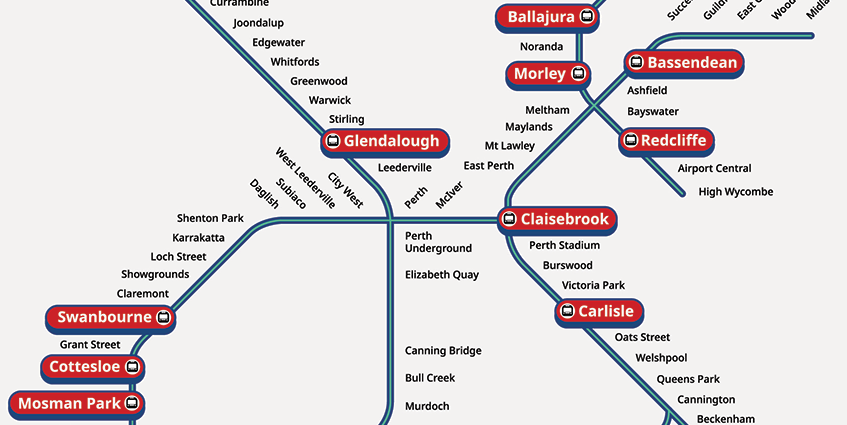
As the Western Australian Government pursues improvement plans and schemes across these 10 precincts, the quality of those frameworks will determine whether Perth is able to rise above some of the current housing challenges other parts of the nation are facing.

扫描二维码关注Hassell微信公众号